Rooted in legacy, thriving with innovation - six decades of botanical excellence
Established in July 1965, the Department of Biology initially managed pre-degree classes. By 1970, it evolved into a full-fledged department, introducing the B.Sc. Botany course with an enrolment capacity of 36 students. Under the leadership of Rev. Sr Janitta S.D., the department embarked on a journey to foster a deep appreciation for science and nature, ultimately striving for academic excellence.
At present, with three permanent faculty members and one guest faculty, all holding Ph.D. degrees from esteemed institutes in the country, the department underscores its dedication to academic excellence and research. The aim of our department is to provide students with a solid background in modern principles and research practices of basic plant biology and in specific areas of specialisation. At the same time, we have not forgotten classical botany, and we teach the students to identify the plants from sight.
Our Vision
Strive to be a centre of excellence by engaging in innovative research, education, and community outreach focused on understanding plant life and environments. Promote excellence in creating and sharing knowledge while addressing contemporary challenges in plant biology through innovative, practical solutions that contribute to scientific advancement and societal well-being.
Our Mission
Provide quality education with a focus on plant science and applied fields through experiential learning and problem-solving, while fostering innovation, skills, and passion among future botanists. Promote a strong foundation in botany with specialised expertise, preparing students for successful careers in science, research, and education within a supportive academic environment.
Experienced faculty members with Ph.D. degrees
Distinctive pedagogy and advanced infrastructure
Fosters early scientific skills through student-led research, conferences, and publications.
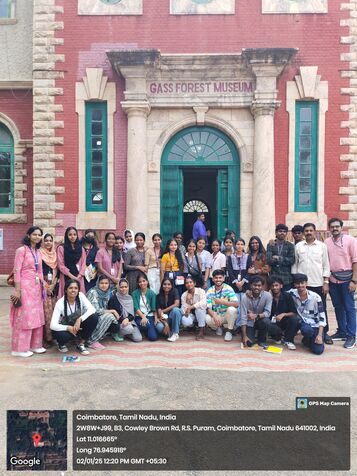
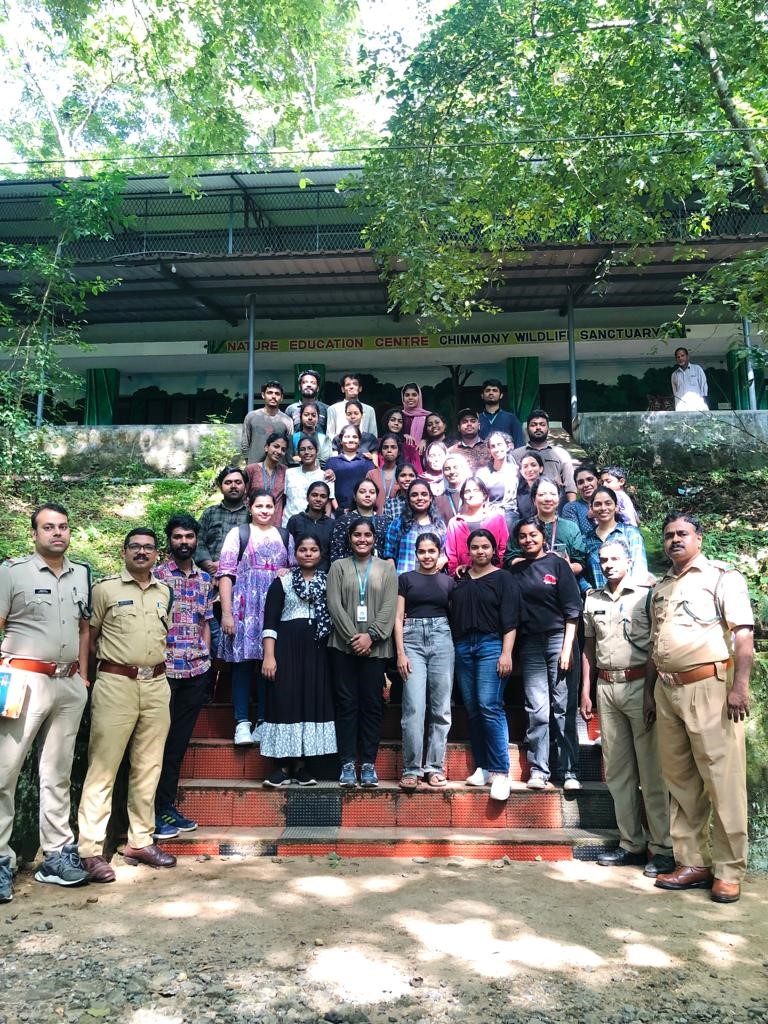
Field visits, collection trips and study tours
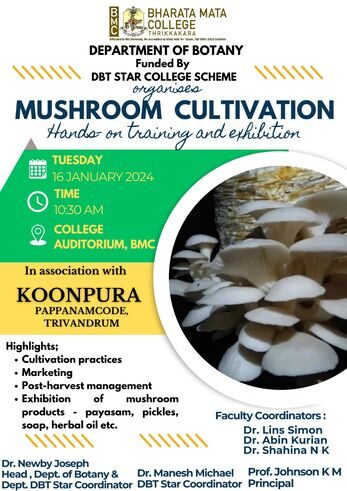
Botanical entrepreneurship for budding innovators.
Experience hands-on learning in botany
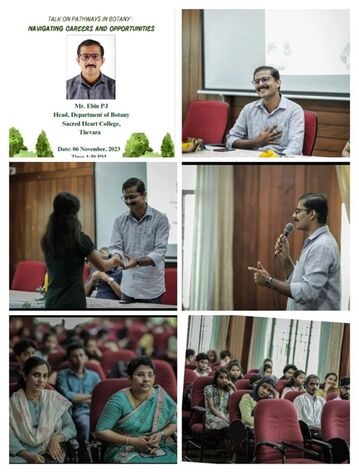
Association with research institutes, organizations, industry and local community
Branch out with MDCs: Explore ecotourism, gardening, landscaping & agri-enterprises
Assistance to JAM, JGEEBILS and other entrance exams
Emphasises traditional medicinal plant knowledge and indigenous knowledge systems.
Tissue Culture Lab – Plant propagation and in vitro studies.
Phytochemistry Lab – Extraction, analysis, and profiling of plant metabolites.
Herbarium Room – For plant specimen preservation and reference collections
Greenhouse – Controlled plant growth and experimental cultivation.
Microscopy Unit – With compound, stereo, and advanced microscopes