

Journalism & Mass Communication
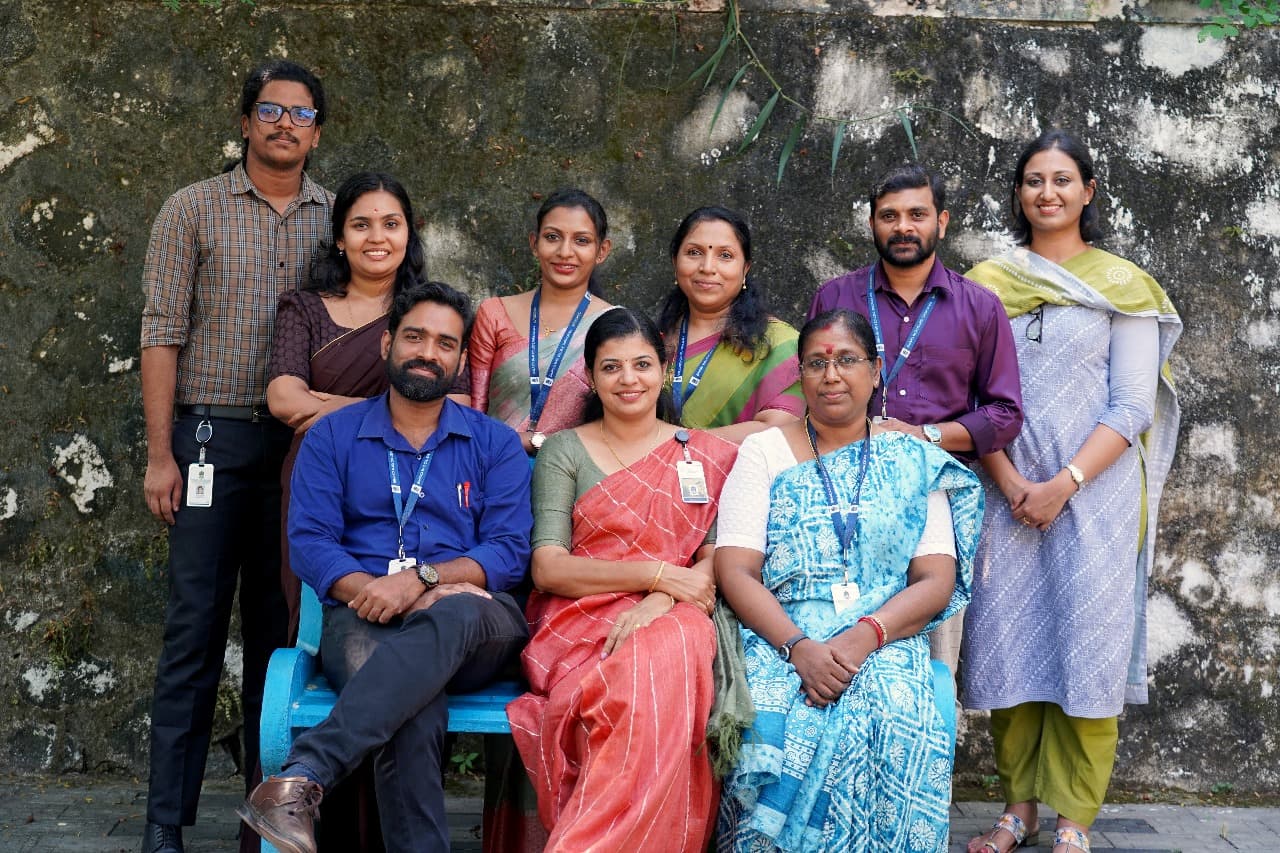
The Department of Journalism and Mass Communication at Bharata Mata College (Autonomous), Thrikkakara, is introduced with the vision of nurturing responsible, critical, and creative media professionals. As a newly established department, it responds to the growing need for academically grounded and ethically driven communicators in an increasingly digital and media-saturated world.The department aims to integrate theoretical foundations with practical exposure, equipping students with skills in reporting, writing, visual storytelling, digital media production, and media research. With a strong emphasis on ethics, social responsibility, and critical inquiry, the programme prepares students to engage meaningfully with contemporary media landscapes.By fostering analytical thinking, creativity, and professional integrity, the department aspires to become a vibrant space for media education, research, and innovation.

Our VISION
To provide academically rigorous and ethically grounded media education that equips students with critical thinking, professional skills, and social responsibility to contribute meaningfully to journalism and mass communication industries.

Our MISSION
To become a center of excellence in media education, fostering responsible communicators who uphold truth, integrity, and innovation in a rapidly evolving global media environment.
- Strong emphasis on media ethics and responsible journalism
- Integration of theory with hands-on practical training
- Focus on digital and emerging media platforms
- Industry-oriented curriculum aligned with contemporary media trends
- Encouragement of research and critical media studies
- Opportunities for internships and field exposure
- Skill development in reporting, editing, and media production
- Academic mentoring and individual attention
- Focus on communication skills and public engagement
- Exposure to media workshops, seminars, and guest lectures
- Value-based education rooted in integrity
- Scope for higher studies and competitive career pathways
- Demonstrate comprehensive knowledge of journalism, communication theories, media laws, and contemporary media systems.
- Apply critical thinking and analytical skills to evaluate media content and communication practices.
- Exhibit professional competence in reporting, writing, editing, and multimedia production.
- Practice journalism and communication with integrity, ethical responsibility, and social awareness.
- Adapt to evolving media technologies and demonstrate readiness for employment or higher studies.
PSO
- Produce accurate, ethical, and socially relevant journalistic content for print, broadcast, and digital platforms.
- Demonstrate proficiency in multimedia storytelling, content creation, and media production techniques.
- Apply knowledge of media laws, ethics, and public communication in professional contexts.
- Critically analyse media representations, institutions, and audience engagement strategies.
- Integrate theoretical knowledge with practical exposure through internships, projects, and field-based learning.
Infrastructural Facilities
- Multimedia-enabled classrooms
- Media lab with computers and editing software
- Audio-visual equipment for practical training
- Seminar hall for workshops and guest lectures
- Library resources with media and communication books/journals
- Internet-enabled campus
- Access to digital learning platforms